Movies have shaped how people imagine casinos for decades. The bright lights, dramatic card games, and elegant surroundings seen on screen have done more than entertain audiences. Hollywood’s most memorable casino scenes have directly inspired the design and atmosphere of real gambling venues around the world.
Filmmakers often shoot in actual casinos to capture authentic energy and visual appeal. But the influence flows both ways. Casino owners and designers study successful movie scenes to understand what attracts visitors and creates excitement.
From gaming room layouts to lighting choices to themed entertainment spaces, cinema has left its mark on the casino industry. The connection between Hollywood and real casino design reveals how entertainment industries influence each other in practical ways.
Iconic Movie Scenes as Inspiration for Modern Casino Design
Movies have shaped how casinos look and feel today. From James Bond’s elegant gaming rooms to the high-tech security in heist films, Hollywood’s vision has influenced real casino architecture and atmosphere.
The Influence of the James Bond Franchise
The Bond films established a template for luxury casino design that persists today. Casino Royale’s poker room scenes showcased intimate, sophisticated gaming spaces with mood lighting and premium furnishings. Modern high-roller rooms now mirror this aesthetic with private tables, plush seating, and refined decor.
The franchise popularized the concept of casinos as destinations for the wealthy and stylish. Many contemporary casinos adopted Bond’s signature elements: crystal chandeliers, marble floors, and elegant bar areas adjacent to gaming floors. The films emphasized baccarat and poker as games of sophistication rather than chance.
Casino designers began creating separate VIP areas that felt exclusive and cinematic. These spaces feature dim lighting, rich wood paneling, and attentive service that echoes Bond’s world. The impact extends to casino staff uniforms, which became more formal and tailored after the franchise’s success.
Las Vegas in Martin Scorsese’s Casino
Scorsese’s film captured the opulence of 1970s and 1980s Las Vegas casino design. The movie showcased massive gaming floors, elaborate ceiling decorations, and bold color schemes that defined an era. Casino operators took note of how the film romanticized this period’s aesthetic.
The Tangiers casino in the film inspired renovations at existing properties. Designers returned to elements like ornate carpeting, dramatic lighting fixtures, and sprawling floor plans. The movie emphasized the importance of sight lines for security, which influenced actual surveillance room designs.
Modern casinos incorporated the film’s attention to detail in their themed areas. Red and gold color palettes became popular again. The movie also highlighted how casino interiors should feel both grand and intimate simultaneously, a balance many current properties strive to achieve.
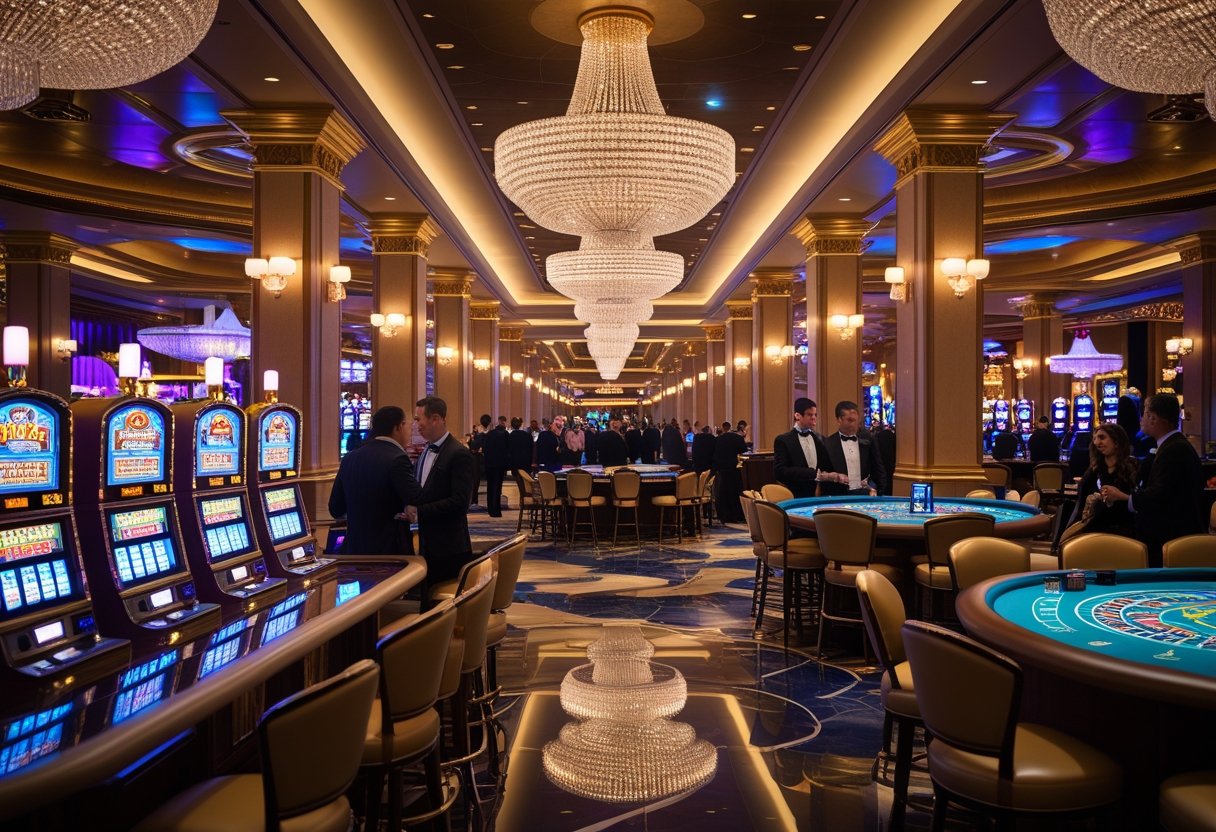
The Impact of Ocean’s Eleven on Casino Floors
Ocean’s Eleven presented casinos as high-tech fortresses with sophisticated security systems. The film’s detailed portrayal of surveillance operations changed public perception of casino monitoring. Real casinos began showcasing their security capabilities as a feature rather than hiding them.
The movie emphasized open floor plans that allow for maximum visibility. Casino architects adopted similar layouts, reducing blind spots and creating more spacious gaming areas. The Bellagio’s appearance in the film boosted interest in fountain shows and dramatic exterior features.
The heist sequences highlighted vault security and cash handling procedures. Modern casinos invested in visible security measures that reassure guests while maintaining the glamorous atmosphere the film portrayed.
Translating Hollywood Vision into Casino Architecture
Casino designers have borrowed key elements from movie sets to create spaces that feel both dramatic and inviting. Lighting techniques, entrance designs, and luxury details from films have shaped how modern casinos look and feel.
Immersive Lighting and Ambiance
Movie lighting directors use specific techniques to control mood and guide attention. Casino architects adopted these same methods to create atmosphere on their gaming floors.
Warm overhead lights mixed with colorful accent lighting became standard in casinos after appearing in Hollywood films. This approach makes spaces feel energetic without being harsh. Designers place lights at different heights and angles, just like cinematographers do on set.
Key lighting elements include:
- Indirect lighting that bounces off ceilings and walls
- Colored lights near slot machines and gaming tables
- Dimmed general lighting to reduce eye strain
- Spotlights on high-limit areas to signal exclusivity
The Casino Royale films showed how lighting could separate different zones within a space. Real casinos now use this technique to mark poker rooms, slot areas, and VIP sections.
Grand Entrances and Lobby Design
Hollywood productions taught designers that first impressions matter. The entrance sets expectations for everything that follows.
Casino lobbies now feature high ceilings and wide spaces that mirror movie palace architecture. The Venetian in Las Vegas uses painted ceilings and columns inspired by classic European films. These design choices make visitors feel like they entered a movie set.
Wide staircases and dramatic archways appear in both film and casino design. These features slow down guests as they enter, building anticipation. The layout forces people to take in the full scope of the space before reaching the gaming floor.
Luxury and Glamour Elements
Films from the 1940s through 1960s established visual codes for luxury that casinos still reference. Gold accents, crystal chandeliers, and marble surfaces signal wealth and sophistication.
Modern casinos blend these traditional luxury markers with contemporary design. The Bellagio fountain show draws from musical film sequences, combining water, light, and timing. Interior spaces use materials like polished stone and rich fabrics that photograph well, a lesson taken directly from set design.
Casinos also adopted the Hollywood practice of creating distinct themed areas within one building. Each section offers a different visual experience while maintaining overall design unity.
Famed Table Games and Gaming Rooms Influenced by Cinema
Movies have shaped how casinos design their gaming spaces, from the layout of poker tables to the look of high-stakes rooms. Classic films set visual standards that real casinos adopted to create the glamorous atmosphere guests expect.
Roulette in Casablanca and Monte Carlo aesthetics
Casablanca established the visual language of elegant casino spaces that persist today. The film’s roulette scenes featured dim lighting, dark wood paneling, and intimate table arrangements that became the blueprint for upscale gaming rooms.
Modern casinos recreated this aesthetic in their European-style gaming areas. The Monte Carlo Casino reinforced these design elements in countless films, cementing the association between roulette and old-world sophistication.
Real casino designers incorporated these elements through specific choices:
- Ornate wheel designs with brass and mahogany finishes
- Velvet ropes separating gaming areas from general traffic
- Crystal chandeliers and subdued accent lighting
- Formal dress codes in designated roulette sections
Las Vegas properties like Caesars Palace and The Venetian built dedicated European gaming rooms that mirror these cinematic spaces. The tables sit on raised platforms with theatre-style lighting focused on the wheel itself.
Poker Setups from Rounders and Celebrity Tournaments
Rounders transformed how casinos approach poker room design. The film showed intimate, focused gaming spaces rather than sprawling card rooms. This influenced the creation of separate poker lounges with sound-dampening features and specialized furniture.
The movie popularized the racetrack-style poker table with padded armrests and built-in cup holders. Casinos adopted these professional-grade tables for their card rooms after seeing them in tournament broadcasts and films.
Celebrity poker tournaments shown in films led casinos to create VIP poker areas. The Bellagio built Bobby’s Room, a high-limit space named after Bobby Baldwin, specifically for wealthy players seeking the exclusive atmosphere portrayed in movies. Aria and Wynn followed with similar private poker salons featuring leather chairs, personal service, and minimum buy-ins of $20,000 or more.
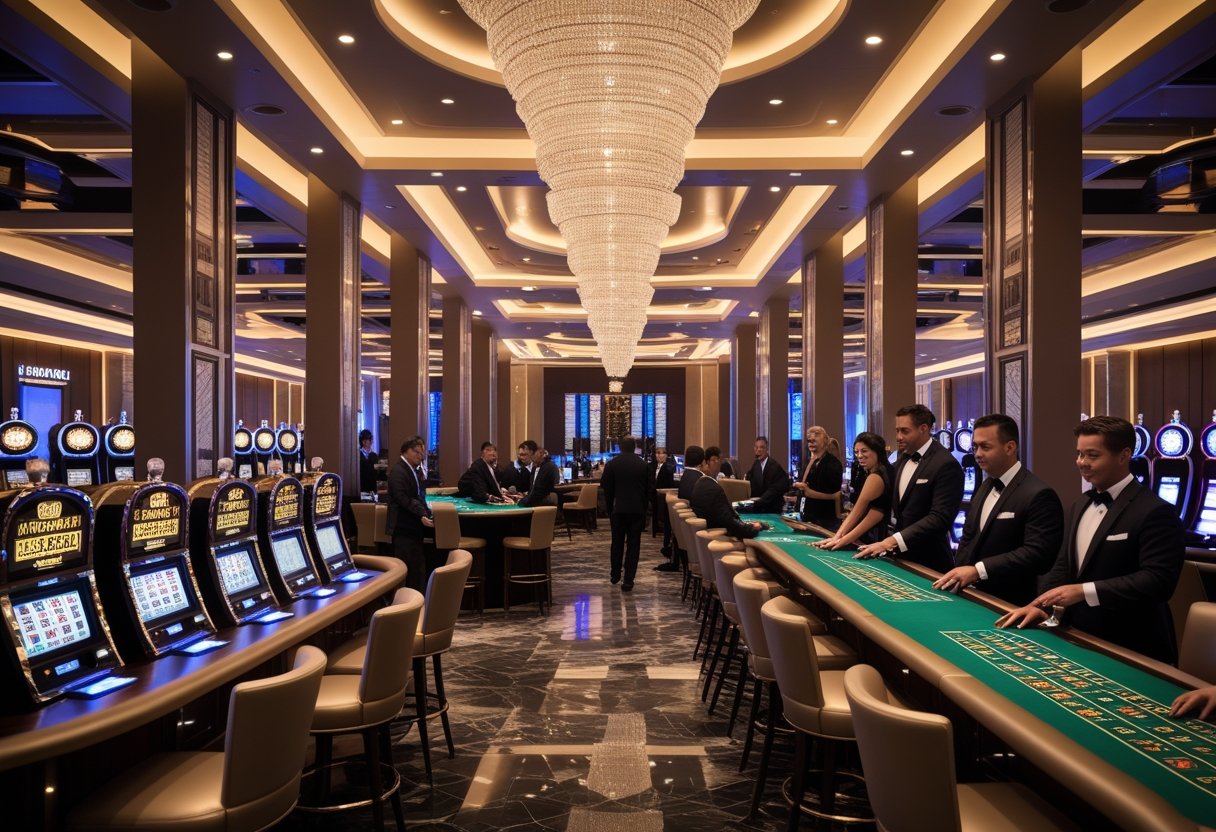
High Roller Rooms Inspired by Film
James Bond films defined what high roller spaces should look like. Casino Royale’s poker room featured private gaming salons with minimal tables, maximum space, and dedicated staff for each player.
Real casinos built similar exclusive areas accessible only by invitation or minimum bet requirements. These rooms typically include:
- Private entrances away from main casino floors
- Dedicated cocktail service and dining
- Higher table limits starting at $10,000 per hand
- Enhanced privacy with one-way glass or separate buildings
MGM Grand’s Mansion and Palms Casino Resort’s Sky Villas offer accommodations connected directly to private gaming salons. The design mimics the secluded, luxurious settings seen in casino films where characters play in penthouses or restricted areas.
Thematic Entertainment and Technology Inspired by Film
Casino operators borrowed stage production techniques and security innovations directly from Hollywood blockbusters. These elements transformed gambling floors into immersive entertainment destinations while addressing real operational challenges.
Showroom Stages and Multimedia Displays
Major casinos integrated theatrical lighting systems and projection technology after watching films showcase dramatic casino environments. The Bellagio in Las Vegas installed programmable LED ceiling systems similar to those depicted in casino thrillers, creating dynamic atmospheric changes throughout the day.
Large-scale video walls now display synchronized content across gaming floors. These installations mirror the visual spectacle seen in movies like Ocean’s Eleven, where multiple screens created an overwhelming sensory experience. Modern casinos use these displays for branding, entertainment programming, and live sports feeds.
Common Film-Inspired Display Features:
- Multi-story LED screens with 4K resolution
- Synchronized audio-visual systems across zones
- Interactive projection mapping on architectural surfaces
- Programmable mood lighting that responds to gaming activity
Some properties hired actual film production designers to create their entertainment spaces. This brought Hollywood’s expertise in visual storytelling directly into casino design, resulting in venues that feel like movie sets guests can walk through.
Security Systems Modeled After Movie Heists
Casino security teams studied heist films to identify potential vulnerabilities in their operations. The elaborate schemes shown in movies pushed real casinos to upgrade surveillance technology and response protocols.
Facial recognition software became standard after films demonstrated how criminals could exploit crowded gaming floors. Modern casino security centers feature wall-to-wall monitor arrays and AI-powered tracking systems that would look at home in any spy thriller.
Security Upgrades Influenced by Film:
- Biometric access controls for high-limit areas
- RFID chip tracking for table games
- Behavioral analysis software for detecting card counting
- Multi-angle camera coverage eliminating blind spots
The security command centers themselves adopted the aesthetic of movie operations rooms, with tiered seating and wraparound displays. This design actually improved functionality by giving supervisors better sightlines and faster response capabilities during incidents.
Enduring Influence of Casino Scenes on Global Casino Resorts
Movies have shaped how casinos look around the world, from Europe to Asia. Casino owners have borrowed design ideas from films to create spaces that feel both luxurious and exciting.
European Casino Halls Replicating Movie Glamour
European casinos have adopted the elegant style shown in James Bond films. The Casino de Monte-Carlo in Monaco features the same grand chandeliers and ornate decorations that appear in movies like Casino Royale. Designers added dramatic lighting and rich fabrics to match what viewers see on screen.
French and Italian casinos now emphasize the sophisticated atmosphere from classic gambling films. They use marble floors, velvet seating, and gold accents. These choices create spaces that look like movie sets.
The dress codes at many European casinos also reflect film influence. Formal attire requirements mirror the tuxedos and evening gowns worn by characters in casino movies. This helps guests feel like they are part of a glamorous story.
Macau’s Destinations Incorporating Film Styles
Macau casinos have built large-scale gaming floors inspired by Hollywood blockbusters. The Venetian Macao uses theatrical lighting and dramatic ceiling designs similar to scenes from Ocean’s Eleven. Casino operators created multiple themed areas that feel like different movie settings.
Gaming tables in Macau properties feature the high-stakes atmosphere shown in films. VIP rooms include private spaces with mood lighting and leather furnishings. These areas replicate the exclusive poker rooms seen in movies.
The entertainment complexes in Macau combine restaurants, theaters, and shopping areas. This mixed-use approach follows the exciting, all-inclusive casino environments portrayed in cinema. Visitors can experience the same sense of adventure they see in films.