Movies have changed how casinos create entertainment experiences. When casinos borrow storytelling methods from films, they turn simple games into engaging adventures that keep players interested longer. The connection between Hollywood and casino entertainment goes deeper than most people realize.
Classic films like Casino and Ocean’s Eleven showed audiences a world of high stakes and glamour. These movies created powerful images that shaped how people think about gambling and casino culture. Casino designers noticed this effect and started using similar storytelling ideas in their own spaces.
Today’s casino entertainment uses character development, plot structures, and visual design borrowed from cinema. This approach affects everything from how casino floors are laid out to how individual games tell their own small stories. The result is a more memorable experience that goes beyond basic gameplay.
The Influence Of Movie Storytelling On Casino Entertainment
Movies have transformed how casinos design games and create player experiences by introducing narrative structures, character development, and themed environments that mirror what audiences see on screen.
Parallels Between Cinematic Narratives And Casino Experiences
Casino game developers borrowed the three-act structure from film storytelling to shape player journeys. Games now feature opening sequences that establish setting and stakes, middle sections with rising tension and challenges, and climactic moments where outcomes are revealed.
Character-driven narratives appear in modern slot games and table game variations. Players encounter protagonists, antagonists, and supporting characters throughout gameplay. These characters guide players through bonus rounds and special features, much like actors lead viewers through a film plot.
Key Narrative Elements Borrowed from Cinema:
- Story arcs that unfold across multiple gaming sessions
- Character progression that rewards continued play
- Dramatic tension built through visual and audio cues
- Plot twists delivered via unexpected bonus triggers
The emotional pacing techniques used in films now shape casino game design. Developers create moments of suspense before big reveals and periods of calm between high-stakes decisions.
Enhancing Player Engagement Through Story-Driven Games
Slot machines transformed from simple mechanical devices into interactive narratives. Modern slots feature opening cinematics, mission-based objectives, and storylines that progress as players advance through levels.
Popular movie franchises have become casino games with authentic plots. Players experience abbreviated versions of film stories while gambling, combining entertainment value with gaming mechanics.
Game developers use cutscenes between major wins to advance narratives. These short animated sequences reward players with story progression, similar to unlocking new chapters in a movie.
Story-Driven Features That Boost Engagement:
- Unlockable characters and story chapters
- Narrative-based bonus rounds with unique objectives
- Achievement systems tied to plot milestones
- Multiple story paths based on player choices
Live dealer games now incorporate storytelling elements through themed settings and dealer interactions. These games create mini-narratives during each gaming session, making standard card games feel more cinematic.
Immersive Atmospheres Modeled After Movie Themes
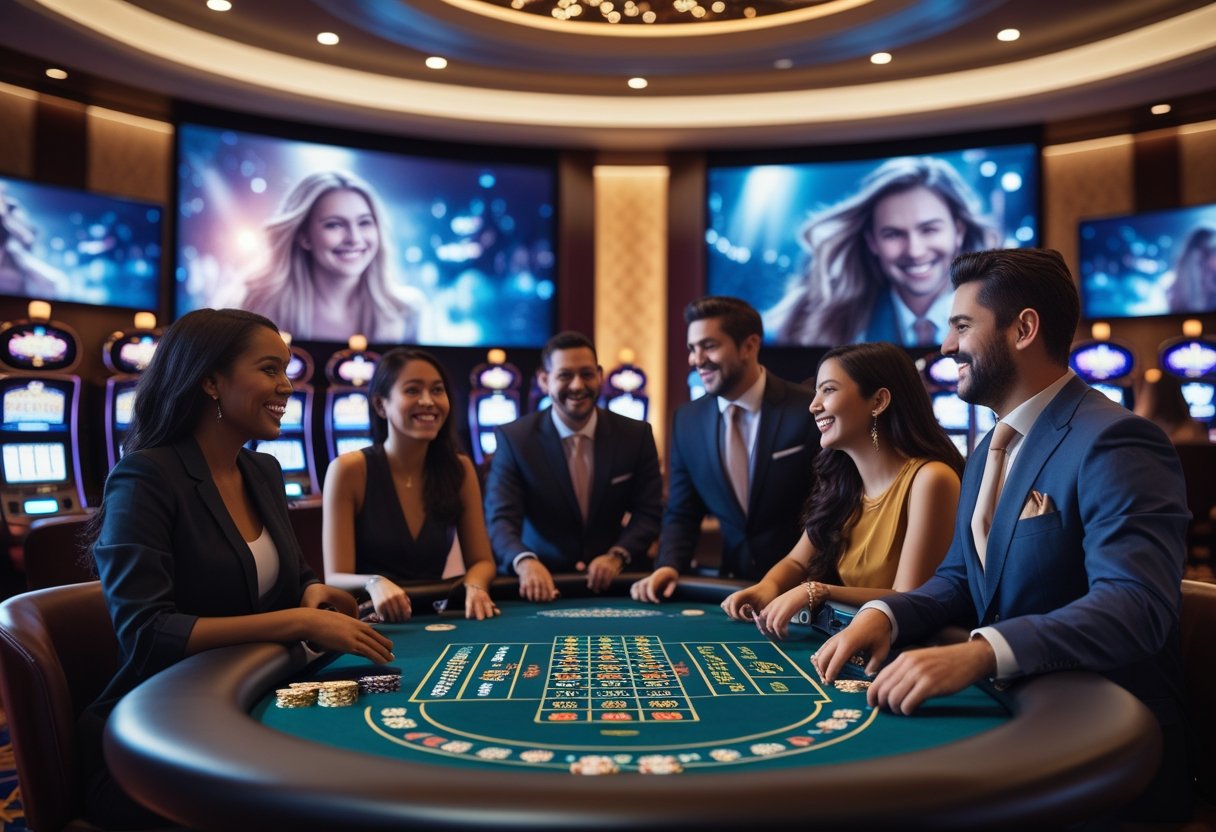
Casino floors replicate movie set designs to create recognizable environments. Lighting schemes, sound design, and spatial layouts mirror techniques used in film production to establish mood and atmosphere.
Game cabinets feature high-definition screens and surround sound systems that match cinema quality. These technical specifications allow games to deliver film-level visual effects and orchestral soundtracks during gameplay.
Themed casino sections transport players into specific movie genres. A noir-themed area uses dramatic shadows and jazz music, while an action-adventure zone employs bright colors and energetic audio tracks.
Technical Elements Creating Cinematic Atmospheres:
| Element | Movie Application | Casino Application |
|---|---|---|
| Lighting | Sets mood and tone | Highlights featured games |
| Sound Design | Builds tension | Signals wins and bonuses |
| Color Grading | Establishes genre | Differentiates game types |
| Camera Angles | Directs focus | Positions player viewpoint |
Mobile casino apps use motion graphics and transitions borrowed from film editing. Swipe animations, zoom effects, and page transitions create a polished experience that feels like navigating through a movie interface.
Integrating Storytelling Techniques Into Casino Design
Casino operators now use movie storytelling methods to create deeper player connections and build lasting engagement. These techniques shape everything from individual games to large-scale promotional events.
Game Development Inspired By Film Story Arcs
Modern casino games follow the same story structures used in successful films. Developers create slot games and table game variations that feature beginning, middle, and end sequences. Players progress through different chapters or levels as they play, similar to watching a movie unfold.
Many games now include character development where players follow protagonists through their journeys. A slot game might feature a hero collecting items across bonus rounds, building toward a final confrontation or big reveal. This approach keeps players engaged beyond simple win-or-lose mechanics.
Common film-inspired elements in casino games:
- Multi-stage bonus rounds that mirror three-act structures
- Recurring characters that appear across game sessions
- Progressive storylines that unlock new features
- Cinematic cutscenes between major gameplay moments
Game studios hire writers and narrative designers who previously worked in film and television. These professionals bring screenplay techniques into casino game development, creating dialogue, plot twists, and emotional beats that resonate with players.
Branded Collaborations With Popular Movies
Casinos partner with movie studios to create licensed games based on popular films. These collaborations give players familiar characters, settings, and music they already love. A Marvel-themed slot machine or a James Bond blackjack table brings instant recognition and emotional connection.
Licensed games perform better than generic alternatives because players trust established brands. Someone who enjoyed a particular movie trilogy will seek out casino games featuring those same characters and worlds. The storytelling groundwork already exists, making the casino experience feel like an extension of the film.
Benefits of movie-branded casino games:
| Advantage | Impact |
|---|---|
| Built-in audience | Fans seek out familiar properties |
| Established narratives | Less need to explain characters or settings |
| Cross-promotion opportunities | Movie releases drive casino traffic |
| Visual consistency | Players recognize authentic design elements |
These partnerships require careful attention to source material. Successful branded games maintain the tone, visual style, and story elements that made the original films popular.
Crafting Memorable Casino Events With Narrative Elements
Physical and online casinos design promotional events around storytelling concepts borrowed from cinema. A casino might host a month-long “adventure” where players complete challenges that form a larger narrative. Each week reveals new plot developments, characters, or locations.
Tournaments often feature thematic elements that create story-driven competition. Players might join different factions or teams, each with backstories and goals. Leaderboards become part of the narrative, showing which characters or storylines are “winning” in the fictional world.
Special events use cinematic presentation techniques like trailers, dramatic announcements, and staged reveals. A casino launching a new game area might create a mysterious campaign with clues and story beats leading up to the grand opening. This builds anticipation the same way movie marketing generates excitement before a premiere.
Staff members sometimes participate in themed events by adopting character roles or using scripted interactions. This immersive approach transforms a standard promotion into a participatory story where players become active characters rather than passive observers.